Please do like, share, comment if you enjoy this report. It means a lot. Thank you
In this report. History unfolding in real-time.
WEEK: WTI 1.23% (-$1.22) Open $100.93 High $102.44 Low $91.45 Close $98.09
Articles
Iran ‘to allow Chinese ships’ through Strait of Hormuz- paying in Yuan
Iran war is the greatest threat to global energy ‘in history’, warns IEA
Video “We May Be Closer to a Financial Crisis Than People Realize”- Jason Shapiro
EXPLAINER: Why Kharg Island is the backbone of Iran’s oil economy – and its greatest vulnerability
Qatar says Iran attack caused significant damage at Ras Laffan gas facility
The world’s largest natural-gas complex is now battered. Here’s who will benefit
Fuel rations and no air con: south-east Asian nations race to conserve energy
Europe learned the wrong lesson’ by doubling down on fossil fuels while India and China went green
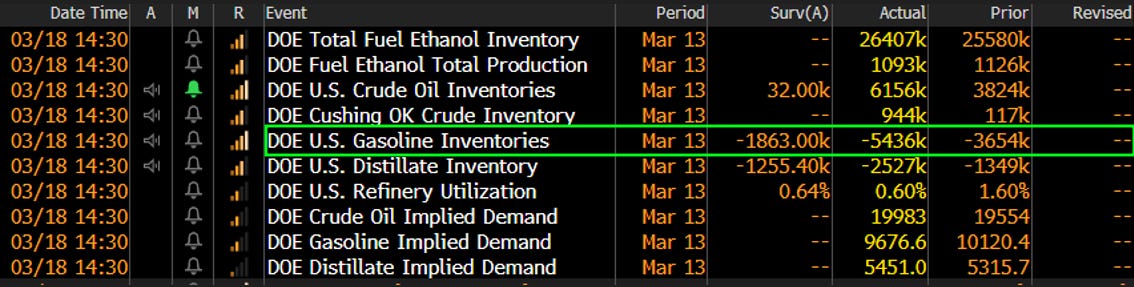



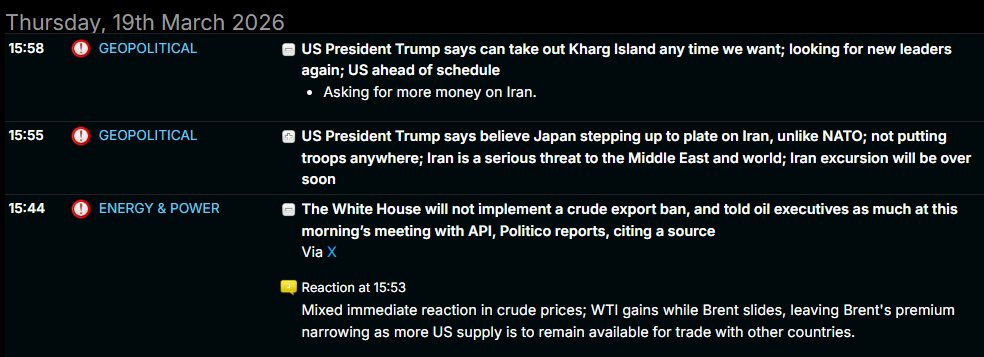
Thanks to the guys in Newsquawk.com for the real-time analysis as always. Paid subs to The Oil Report get a discount.

View
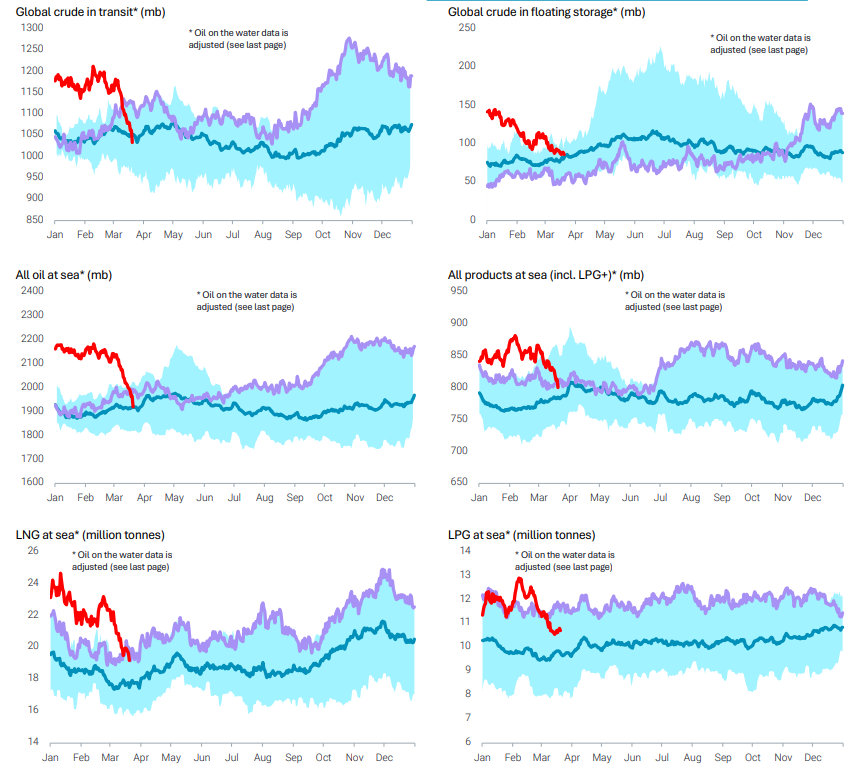
Twenty days in, the Hormuz disruption has already consumed the equivalent of 200-400 million barrels. The surplus that was supposed to define 2026 has been smashed. Iran is charging tolls on the world's most critical waterway. Qatar just lost 17% of its LNG capacity for up to five years. And oil is only modestly higher-which means the market still thinks this is short. It may be pricing the wrong war.
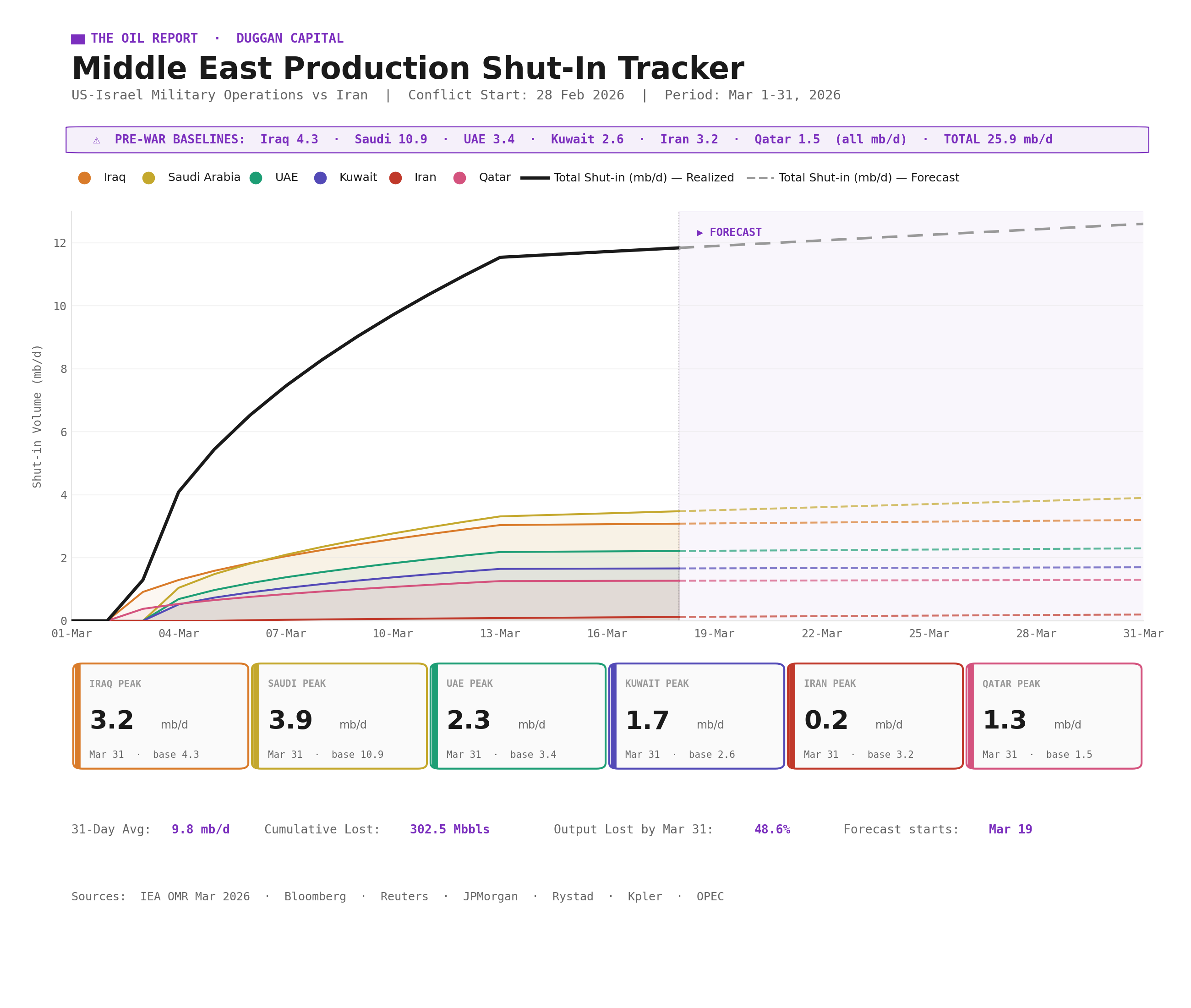
Since the Strait of Hormuz was effectively ‘closed’ on March 1st, somewhere between 10 and 20 mb/d of export flow has been disrupted. Over the first twenty days of the conflict, that translates to between 200 and 400 million barrels of oil that did not reach its destination. Annualise the disruption and it strips 0.5 to 1.0 mb/d from 2026’s average supply figure-and that number grows with every week the choke point remains closed.
The pre-war surplus was always going to be tested by something. This is something.

What hasn’t happened
‘‘Greatest global energy security threat in history. Some facilities will take six months to be operational, others much longer. People understand this represents a major challenge, but I am not sure the magnitude and consequences of the situation are well understood. These are vital raw materials for the global economy’’
IEA’s Head, Fatih Birol in The FT
The EIA STEO, finalising its March forecast with Brent at $104/b on March 9th, assumed shut-ins peak in early April and ease gradually as transit resumes. That is the optimistic scenario-the one where the conflict is contained, the escorts work, and insurance markets recover their nerve. It may well prove correct. But it is worth noting that the EIA was also assuming no major infrastructure strikes when Qatar Energy’s Ras Laffan trains took a missile on March 19th.
The most telling signal is not what oil has done. It is what oil has not done. Prices are elevated but not panicked. The market is not pricing a multi-quarter closure. It is pricing a disruption that ends-probably soon, and probably with some form of US naval enforcement of transit. That may be right. But if it is wrong, the move higher has barely started. Currently, the market is essentially selling insurance against duration. That is not obviously a bad trade. It is just not obviously a good one either.
China
Guess who is already implementing fuel rationing, while sitting on bulging storage.
Freight rates & LNG
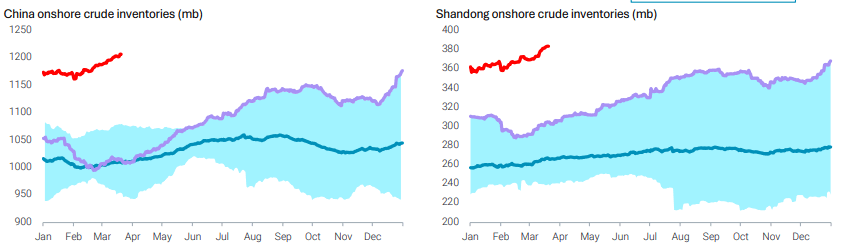
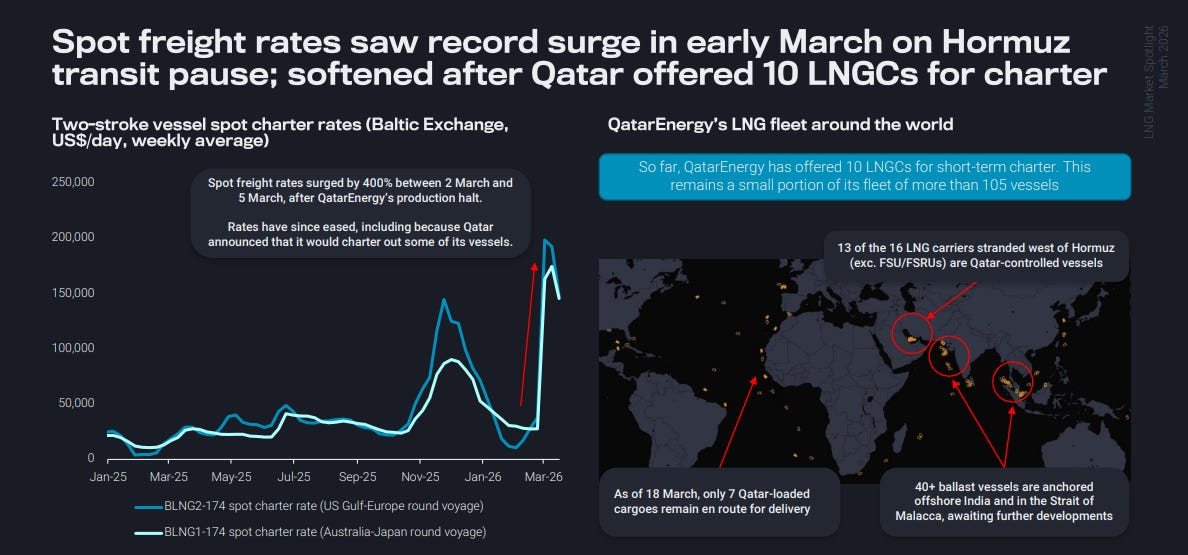
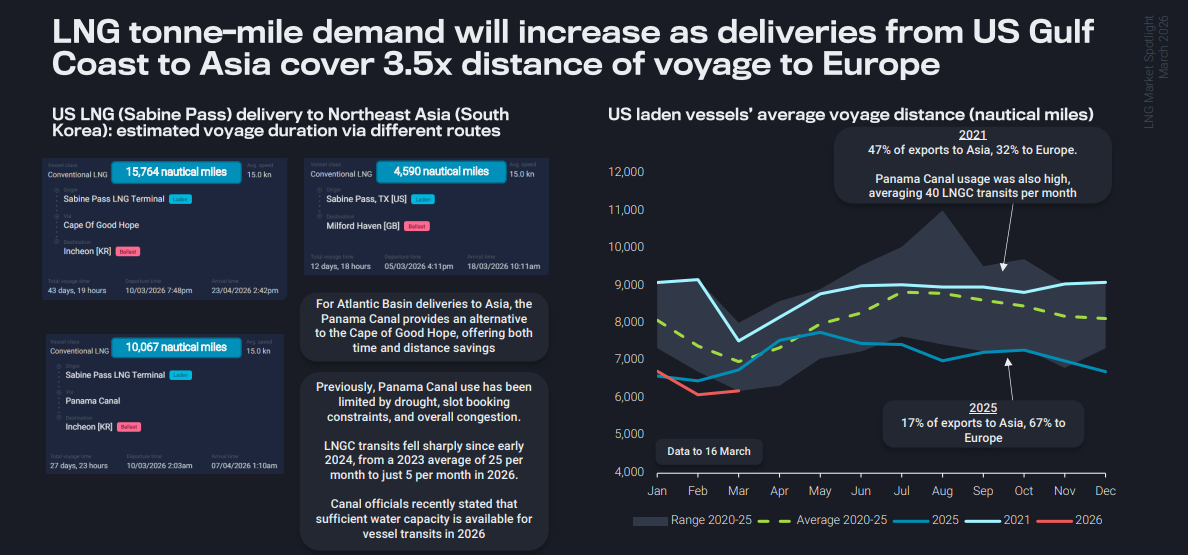
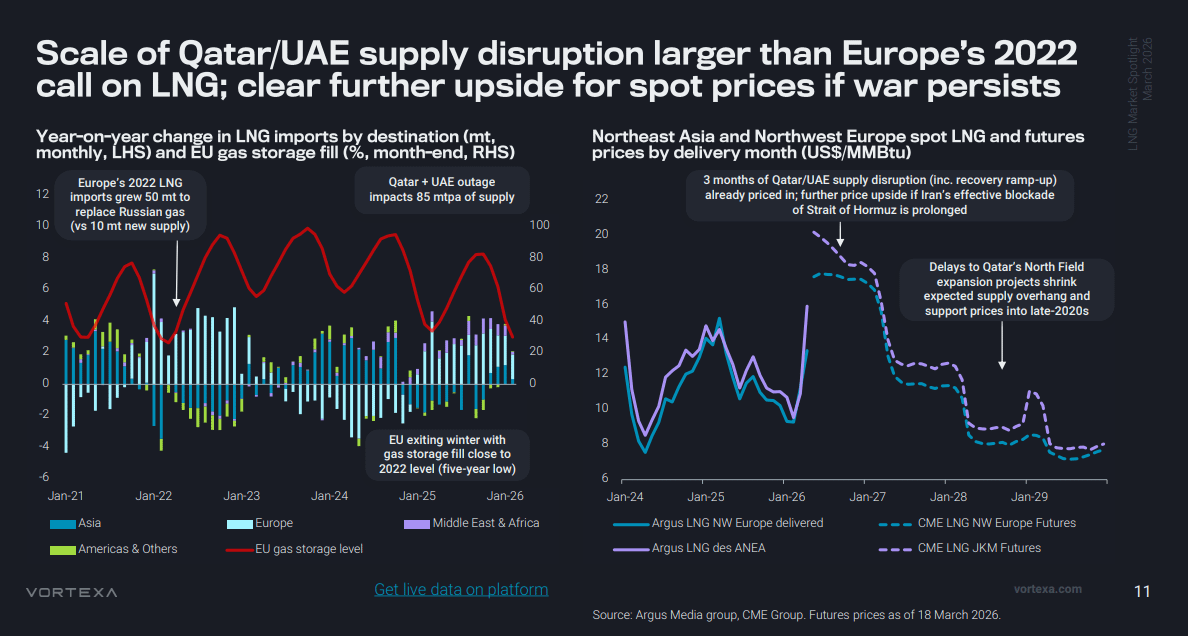
When the Strait of Hormuz closed to LNG tankers, shipping rates went through the roof-up 400% in three days-as companies scrambled to lock in vessels. Qatar then released 10 of its tankers onto the market, which took some heat out of the immediate panic. Qatar didn't volunteer spare capacity out of goodwill- it simply had no cargo to put on those ships after its production was forced offline. The underlying problem remains very much intact. Tankers can no longer take the short route through the Gulf. Vessels are now sailing either around the bottom of Africa or through the Panama Canal-adding weeks to each voyage and tying up ships far longer. Fewer effective vessels, longer routes, disrupted supply: freight rates reflect a market under genuine structural stress, not one that has found its footing.
And while we are on gas. If I had a magic wand, I couldn’t create a better bull thesis for any company that produces or makes money from extracting gas in Europe . It’s called NRT 0.00%↑ and pays an 11% divvy. We have done a deep DD (due diligence) on NRT in-house and I suggest you do your own as this is not investment or trading advice.
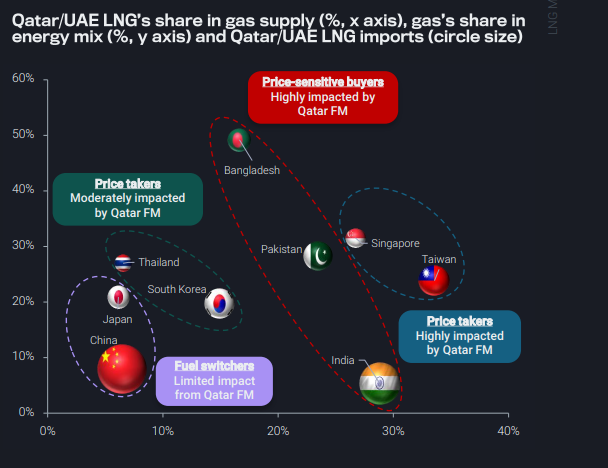
Greater Asia getting hit
No TACO?- Drain the Glut
Trump 1.0, drain the swamp. Trump 2.0 Drain ‘The Glut’
Ok, so all along, people have denied there was a glut of oil. Well, there WAS a glut. It was sanctioned oil from Venezuela, Iran, Russia and anywhere else that was on the naughty boys list. Failure to understand this or to deny there was a glut was a failure to understand the details. I think we now can full lay to rest the glut chat. But what happened? Trump needed a pressure value to open in the absence of a TACO.
Lifted sanctions on Venezuelan oil
Lifted sanction on Russian oil on water/ in transit/glut oil
Lifting sanctions now on Iranian oil on water/ in transit/glut oil
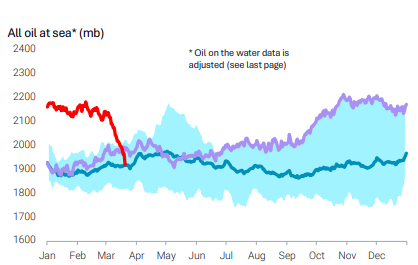
See the way the chart was at +220million? Now it’s back to 1.9m .ie the 5yur average? So just tot up the scores
G7 +400mb
Drain the Glut +130mb
OPEC Increase production from March +206kbpd